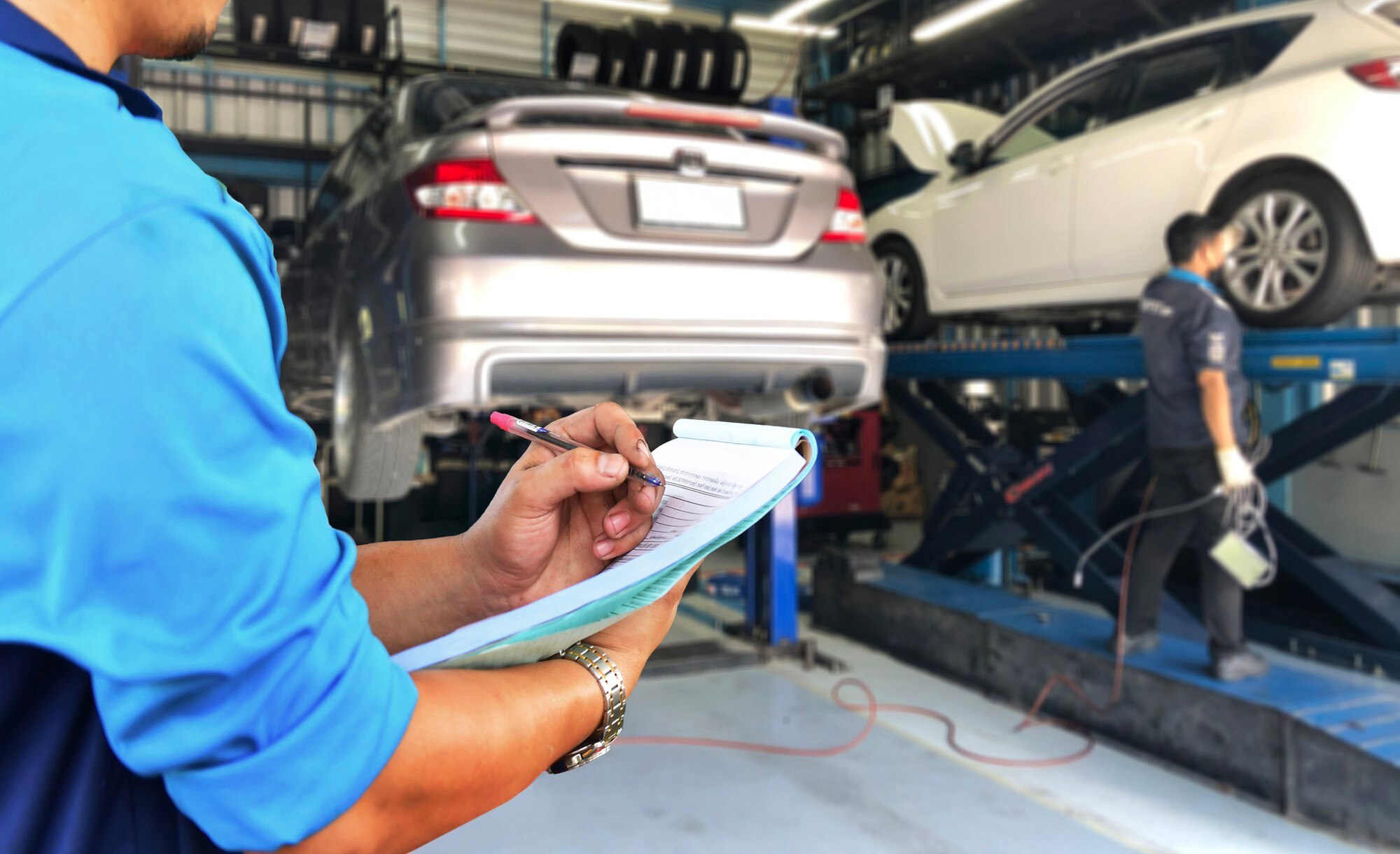
Buying or selling a vehicle is more than just a transaction; it is a pivotal financial milestone that requires a blend of mechanical knowledge, legal awareness, and psychological strategy. At Tropexy, we believe every driver deserves to navigate this process with absolute confidence. Whether you are hunting for a reliable used sedan or preparing to part ways with your trusted SUV, the stakes are high. A single overlooked detail can lead to thousands in unexpected repairs or a significantly lower sale price. This guide is designed to be your comprehensive roadmap, covering everything from the first inspection to the final handshake.
1. The Art of the Vehicle Inspection
A thorough vehicle inspection is your first line of defense. When buying, never rely solely on the seller's description. Start with the exterior: look for inconsistent paint colors or uneven gaps between body panels, which often signal previous accidents. Check the tires for uneven wear—this can indicate alignment issues or suspension problems that are hidden from plain sight.
- Under the Hood: Check for leaks, the condition of the belts, and any signs of corrosion on the battery terminals.
- The Cold Start: Always insist on a cold start. Listen for any rattling, smoke, or hesitation when the engine is first turned over.
- The Test Drive: Turn off the radio. Listen for clunks over bumps and feel for vibrations in the steering wheel at highway speeds.
Pro Tip: The Oil Cap Check
Always check the underside of the oil filler cap. A milky, white residue can indicate a blown head gasket—a catastrophic failure that usually means you should walk away immediately regardless of the price.
2. Navigating Legal Paperwork
The legal side of car ownership is just as critical as the mechanical one. A clean title is non-negotiable. Ensure there are no liens against the vehicle and that the VIN (Vehicle Identification Number) on the dashboard matches the one on the title and the door jamb. Ask for a comprehensive service history; a car with a thick folder of receipts is almost always a better bet than a low-mileage car with no records.
3. Preparing Your Vehicle for a Premium Sale
If you are the seller, presentation is everything. A professional detail can add significant value to your asking price. Clean the engine bay, steam the carpets, and polish the headlights. Take high-quality photos in an open, well-lit area during the golden hour. Be honest in your listing; disclosing minor flaws builds trust and prevents time-wasting negotiations later when the buyer discovers them anyway.
Important: Disclosure Matters
In many jurisdictions, failing to disclose known major defects can lead to legal repercussions even in private sales. Honesty is not just ethical; it is a financial safeguard for you as a seller.
4. Strategic Saving Methods
Saving money in the automotive market is about strategy, not just luck. Timing is a powerful tool; dealerships are often more desperate to hit quotas at the end of the month or the end of the year. When negotiating, always have a pre-purchase inspection (PPI) report in hand. If the mechanic finds five hundred dollars worth of needed brake work, you have a factual basis to ask for a five hundred dollar discount. Never negotiate based on emotion; be prepared to walk away if the numbers do not align with your research.
5. Common Pitfalls to Avoid
The most common mistake is falling in love with a car before the inspection. Emotional buyers ignore red flags. Another pitfall is failing to check the VIN history via services like Carfax, which can reveal hidden flood damage or odometer rollbacks. Lastly, do not skip the test drive because the car looks perfect in the photos. Real-world performance is the only metric that matters.
Conclusion
Buying or selling a car does not have to be a stressful ordeal. By following a structured approach, performing due diligence, and utilizing the tools provided by Tropexy, you can ensure a fair deal and a safe vehicle. Knowledge is the ultimate currency in the automotive world.